
DPC Waterproofing
In Pakistan’s diverse climate, from the heavy monsoon rains to the persistent humidity in coastal areas, DPC waterproofing is an absolutely crucial element in any sound construction project. Neglecting effective damp proofing can lead to a host of problems, compromising not only the structural integrity of a building but also the health and comfort of its occupants. This blog will delve into the world of Damp Proof Course (DPC) applications in Pakistan, explaining its importance, common methods, and what to consider for effective waterproofing solutions.

Understanding DPC Waterproofing: The First Line of Defense Against Damp
DPC waterproofing refers to the measures taken to prevent moisture from rising from the ground into the walls of a building. This upward movement of water, known as rising damp, is a common issue in many Pakistani homes due to capillary action in masonry. A damp proof course membrane acts as an impermeable barrier, blocking this moisture transfer.
The primary objectives of implementing DPC waterproofing are to:
Prevent Structural Damage: Continuous dampness can weaken mortar, corrode steel reinforcements, and lead to cracked walls.
Enhance Indoor Air Quality: A dry building discourages the growth of mold, mildew, and fungi, which can cause respiratory issues.
Maintain Aesthetic Appeal: It stops ugly damp patches, efflorescence (white salty deposits), and peeling paint, preserving the look of your residential buildings.
Improve Energy Efficiency: Damp walls conduct heat faster, making heating and cooling less efficient, thus increasing utility bills.
Common DPC Waterproofing Methods in Pakistan
Several effective methods are employed for DPC waterproofing in Pakistan, each with its own benefits and applications.
1. Sheet DPC (DPC Membrane Sheet)
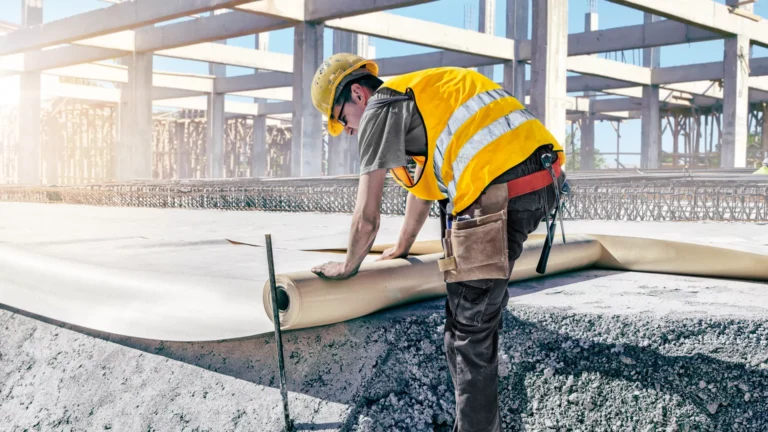
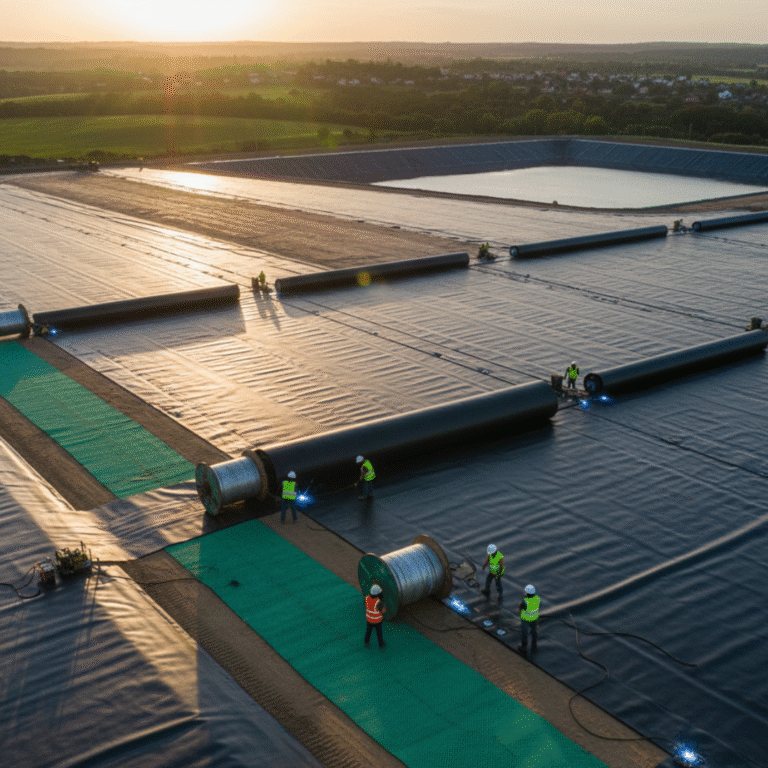
This is perhaps the most widely used method. A flexible, impervious sheet material, commonly a polyethylene DPC roll or a bituminous DPC membrane, is laid horizontally in the mortar bed of a wall. It typically extends across the full thickness of the wall and is positioned at least 150mm above ground level. The DPC membrane sheet price in Pakistan makes it a cost-effective choice for many new constructions.
2. Chemical DPC Injection
For existing structures suffering from rising damp, a chemical DPC injection is often the preferred solution. This involves drilling holes into the mortar joint at the affected level and injecting a chemical damp-proofing cream or liquid. The chemical then disperses within the masonry, creating a new damp proof course that repels water. This method is particularly useful for restoration projects.
3. Cementitious Waterproofing
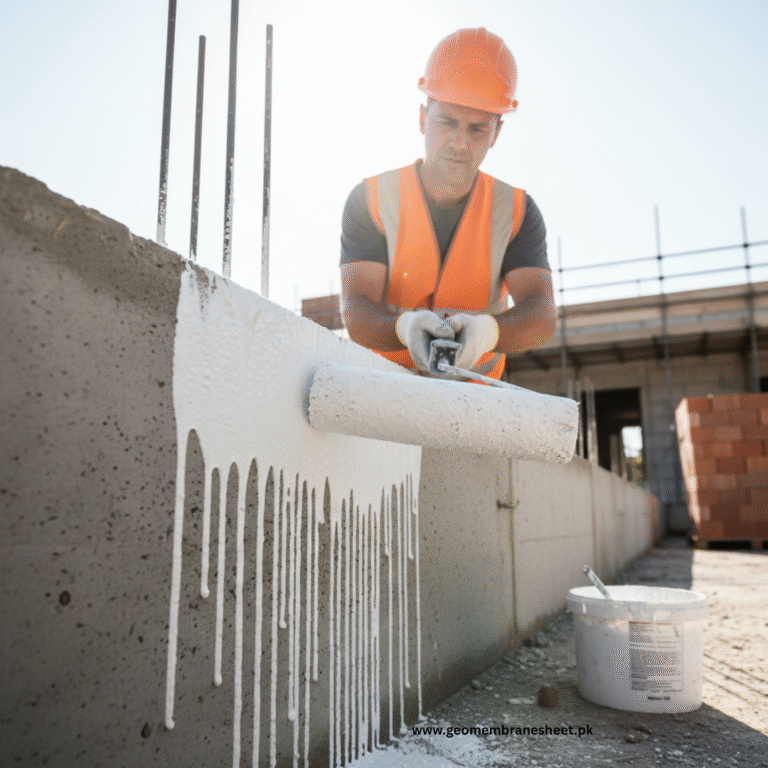
While not a DPC in the traditional sense, cementitious coatings are sometimes applied to external walls or foundations as a waterproofing barrier. These slurries create a waterproof layer on the surface, preventing both rising damp and lateral damp penetration. This method is often used in conjunction with other DPC techniques, especially for basement waterproofing.

Achieving optimal damp protection goes beyond just choosing a method; several factors contribute to its overall effectiveness:
Correct Installation: Improper installation, such as gaps in the membrane or insufficient overlap, can render the DPC ineffective. Professional installers who understand building codes and best practices are essential.
Material Quality: Using high-quality durable DPC material is paramount. Cheaper, inferior products may degrade quickly, leading to premature failure of the moisture barrier.
Site Conditions: The type of soil, groundwater levels, and proximity to water bodies (like canals or rivers) can influence the severity of dampness and thus the required DPC solution.
Maintenance of Surroundings: Ensuring proper drainage around the building, maintaining clear gutters, and preventing soil from building up above the DPC level are critical for long-term dampness prevention.
Choosing the Right DPC Solution for Your Project
When planning DPC waterproofing in Pakistan, consider these points:
New Construction vs. Existing Building: For new builds, a DPC membrane sheet is standard. For older homes, a chemical DPC injection is usually more appropriate to tackle existing rising damp.
Budget: The waterproofing material cost varies. A DPC roll price in Pakistan is generally lower than a chemical injection for a similar length of wall.
Severity of Dampness: For very severe damp issues, a combination of methods might be necessary, for instance, a DPC membrane with an external cementitious coating for foundation waterproofing.
Conclusion: A Foundation of Dryness for Every Home
Investing in robust DPC waterproofing in Pakistan is an investment in the longevity, safety, and comfort of your building. It’s a critical step that ensures the foundations of your home remain dry and resilient against the pervasive threat of moisture. By understanding the available methods, their costs, and the importance of professional installation, you can effectively safeguard your property against damp-related problems for years to come.
FAQ’S
What is DPC waterproofing and why is it important?
DPC waterproofing involves using a damp proof course membrane to prevent moisture from rising through walls and foundations. It protects buildings from mold, structural damage, and water seepage, ensuring long-term durability.
What is the cost of DPC waterproofing in Pakistan?
The cost depends on material type, thickness, and application area. On average, DPC waterproofing sheets or rolls range from PKR 120 to PKR 800 per square meter, with prices varying for polyethylene, bituminous, or reinforced DPC membranes.
Which type of DPC waterproofing is best for residential buildings?
For most residential buildings, polyethylene DPC sheets are recommended because they are lightweight, flexible, chemically resistant, and cost-effective. For high-moisture areas, reinforced or bituminous DPC rolls may be better.
Where can I get DPC waterproofing services in Pakistan?
DPC waterproofing services and materials are available in major cities like Karachi, Lahore, Islamabad, Rawalpindi, Faisalabad, and Multan through suppliers, construction stores, and professional waterproofing contractors.