
What Is a Geomembrane Sheet? Types, Uses, & Benefits
In construction, environmental engineering, and civil projects, containment and protection are paramount. One of the most critical materials used to achieve these goals is the geomembrane sheet. Often referred to as simply a geomembrane, this material forms an impermeable barrier essential for countless applications across the globe.
What Exactly Is a Geomembrane Sheet?
A geomembrane is essentially a very low permeability synthetic membrane used in conjunction with geotechnical materials (like soil, rock, and earth) to control fluid migration (liquid or gas) in a project, structure, or system.
Geomembrane materials are typically continuous flexible sheets made from synthetic polymers, such as various polyethylenes, polyvinyl chloride (PVC), or polypropylene. Their primary function is to act as a barrier layer, preventing the passage of water, waste liquids, or harmful gases.
The Main Types of Geomembrane Sheets

Geomembranes are classified primarily by the polymer resin used in their manufacture. The choice of material depends on the specific project requirements, including chemical resistance, mechanical strength, and UV stability.
1. High-Density Polyethylene (HDPE) Geomembranes
Characteristics: Known for their excellent chemical resistance, high tensile strength, and good UV stability. They are the most widely used geomembrane liner material globally.
Common Applications: Landfill lining, primary and secondary containment for chemical facilities, and pond liners.
2. Low-Density Polyethylene (LDPE) Geomembranes
Characteristics: Highly flexible and conformable, which makes them easier to install on complex terrain compared to HDPE. They offer good puncture resistance.
Common Applications: Decorative ponds, temporary covers, and waterproofing on construction sites.
3. Linear Low-Density Polyethylene (LLDPE) Geomembranes
Characteristics: Combines the flexibility of LDPE with better stress-crack resistance and mechanical properties than traditional LDPE. This flexibility is key in areas prone to seismic activity or significant foundation settlement.
Common Applications: Mining heap leach pads and reservoir linings.
4. Polyvinyl Chloride (PVC) Geomembranes
Characteristics: Exceptionally flexible and easy to seam. They have good resistance to various chemicals and excellent durability for certain applications.
Common Applications: Water containment, small-scale architectural waterproofing, and remediation efforts.
5. Other Geomembrane Materials
Other specialized materials include Ethylene Propylene Diene Monomer (EPDM), which is highly flexible and UV resistant, and Polypropylene (PP), often used where higher-temperature resistance is required.
Key Uses and Applications

The versatility and reliability of geomembrane materials make them indispensable across several engineering sectors.
Environmental & Waste Management
Landfills: They form the crucial barrier layer at the base and cap of a landfill to prevent leachate (toxic liquid) from contaminating the groundwater and soil. This is perhaps the most recognized use of a geomembrane liner.
Wastewater Treatment: Lining sewage lagoons and treatment ponds to prevent effluent from leaching into the surrounding environment.
Water Containment
Reservoirs and Canals: Used to line large water containment structures, significantly reducing water loss due to seepage.
Agricultural Ponds: Lining irrigation and farm ponds to maintain reliable water sources.
Mining Industry
Heap Leach Pads: Geomembranes are used to line the massive pads where ore is processed, containing the highly corrosive chemical solutions used to extract valuable minerals.
Tailings Dams: Providing a reliable seal in the structures built to store mining waste (tailings).
Civil Engineering and Construction
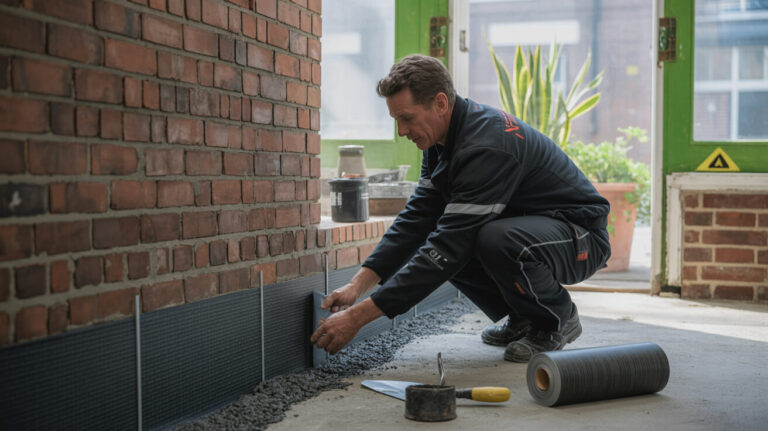
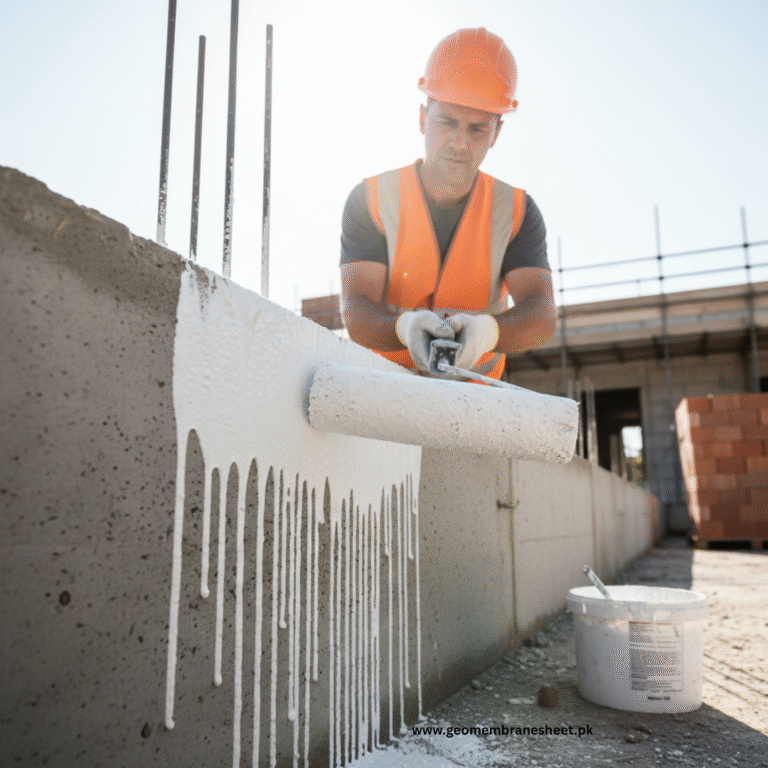
Tunnels and Basements: Providing a durable and flexible waterproofing membrane to prevent water intrusion in underground structures.
Roads and Railways: Used beneath infrastructure to prevent subgrade material saturation and improve stability.
The Significant Benefits of Using Geomembrane Liners
Implementing a synthetic membrane system offers numerous advantages over traditional containment methods.
1. Superior Impermeability
Geomembranes offer extremely low permeability, providing an unparalleled barrier layer against liquids and gases. This characteristic is vital for environmental protection and fluid migration control. The permeability is measured as a very low coefficient, often less than $1 \times 10^{-12} \text{ cm/s}$.
2. High Durability and Longevity
Modern geomembrane materials are engineered to withstand harsh chemical environments, extreme temperatures, and UV exposure. When properly installed and protected, a geomembrane liner can last for many decades, ensuring long-term containment integrity.
3. Cost-Effectiveness
While the initial cost may seem high, geomembranes reduce the need for thick, low-permeability clay layers and significantly lower long-term environmental remediation costs associated with leaks and contamination. The efficiency and reliability they provide make them a cost-effective solution for containment projects.
4. Ease of Installation and Quality Control
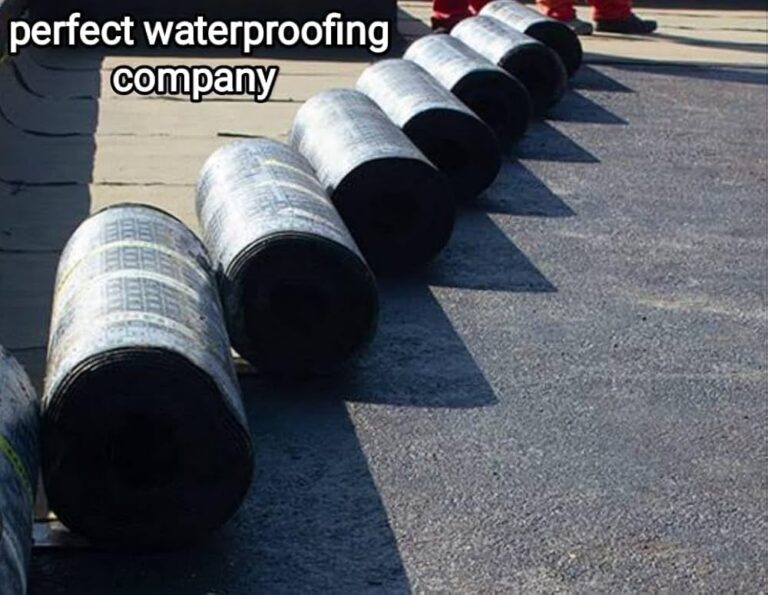
Large sheets are manufactured in a factory setting and then welded together on-site using specialized equipment. This allows for rigorous quality assurance during both manufacturing and installation, ensuring a consistent and reliable seal. Installation is typically much faster than building traditional compacted soil barriers.
5. Chemical Resistance
Materials like HDPE geomembranes exhibit excellent resistance to a wide range of chemicals, making them suitable for aggressive industrial and hazardous waste applications.
Conclusion
The geomembrane sheet is an essential tool in the arsenal of environmental and civil engineers. Whether it’s protecting our groundwater from landfill lining leachate, or ensuring reliable water containment in reservoirs, this advanced synthetic membrane provides the high-performance barrier layer necessary for safe, sustainable, and reliable infrastructure development. Understanding the different geomembrane materials and their specific applications is key to successful project execution.
FAQ’S
What is a geomembrane sheet and where is it used?
A geomembrane sheet is a high-density polymer-based waterproofing membrane used to prevent leakage. It is commonly used in fish ponds, landfills, canals, water reservoirs, agriculture projects, and industrial waterproofing applications.
What thickness of geomembrane sheet is best for ponds and water reservoirs?
For small fish ponds, 0.75mm to 1mm geomembrane is ideal. For large agricultural ponds or reservoirs, 1.5mm to 2mm thickness is recommended for higher durability and long-term performance.
How long does a geomembrane sheet last?
A high-quality HDPE geomembrane can last 15 to 30 years, depending on UV exposure, installation quality, and environmental conditions. UV-stabilized sheets last longer in outdoor applications.
Is geomembrane sheet safe for fish farming and drinking water projects?
Yes, HDPE and LDPE geomembrane sheets are non-toxic, food-safe, and chemical-resistant, making them completely safe for aquaculture, fish farming, and potable water storage applications.